Aspiring to start a career in real estate is a significant goal for many individuals. The accompanying video offers crucial initial steps for entering this dynamic field. This article will further detail the foundational requirements and strategic approaches for becoming a successful real estate agent.
Obtaining Your Real Estate License
The first critical step in any real estate career is securing a license. This credential is an absolute necessity. Licensing ensures professional standards are maintained. It protects the public’s financial and legal interests.
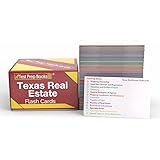
State regulations govern real estate licensing. Requirements vary significantly by jurisdiction. For instance, New York demands a 75-hour pre-licensing course. Such courses cover fundamental real estate principles. These principles include property law, contract law, and agency relationships. Ethical conduct is also a key component. Fair housing practices are thoroughly reviewed. Basic finance and appraisal concepts are introduced.
These courses are offered online. In-person options are often available as well. Prospective agents must research state-specific requirements. Local real estate schools provide the necessary training. Upon completing the course, a school-administered test is typically taken. Passing this test allows progression to the state examination.
The state exam is generally more rigorous. Thorough preparation is strongly advised. Passing this exam is essential. It proves a candidate’s readiness to practice. Some states limit retake attempts. For example, Florida allows only two attempts initially. A waiting period follows a second failure. Diligent study habits are therefore crucial.
This licensure process is designed for a serious profession. Agents advise clients on major life decisions. A substantial fiduciary responsibility is held. Client interests must always be prioritized. This commitment is inherent in the role.
Securing a Sponsoring Real Estate Broker
Once a license is obtained, a sponsoring broker is required. This is the second essential step. Newly licensed agents cannot operate independently. Their license must be associated with an established brokerage.
A sponsoring broker holds a separate, higher-level license. This license permits them to oversee other agents. Brokerages are companies like Serhant. Other examples include Keller Williams or Coldwell Banker. These firms provide the operational framework. They offer brand recognition and administrative support.
The selection of a brokerage is an important decision. Aspiring agents should conduct interviews. They must present themselves as motivated and eager. Brokerages seek individuals with hustle. Knowledge of local markets is also valued. The brokerage acts as a professional home. It provides guidance and resources.
Formal association is then completed. The sponsoring broker links the agent’s license. This is done through the state’s regulatory website. Only after this step can an agent legally transact business. This crucial association enables active participation in the market.
Brokerages offer different cultures. Some specialize in luxury properties. Others focus on residential or commercial sales. Commission splits vary widely. Training programs also differ. A careful evaluation helps determine the best fit. This choice impacts early career development significantly.
Intensive Training and Mentorship Programs
The third and most vital step involves comprehensive training. Practical experience is paramount. Formal education is merely a foundation. True skill is developed through active learning. Brokerages commonly provide structured training. These programs educate new agents further.
Mentorship is often available within brokerages. New agents can seek senior agent guidance. Becoming an apprentice is a common path. This involves assisting a busy agent. Tasks might include email management. Contract preparation is also a possibility. Preparing property listings is another responsibility. This hands-on experience is invaluable. It offers insights into daily operations. Direct exposure to client interactions is gained.
Joining a real estate team is another excellent option. Teams provide a supportive environment. New agents can assist with open houses. Buyer showings can be handled. This immediate immersion accelerates learning. It offers direct exposure to the sales cycle. Agents learn lead generation strategies. Negotiation tactics are observed firsthand. Understanding market dynamics becomes clearer.
Proactive learning is strongly encouraged. New agents must ask many questions. Understanding property specifics is critical. Knowledge about construction or local regulations is important. This diligent inquiry builds expertise. It prepares agents for diverse client needs.
The first few years demand significant effort. This period is often compared to graduate school. Income may be minimal initially. One agent reported earning just over $9,000 in their first year. Industry statistics show challenges. Approximately 82% of new licensees exit the profession within a year. This highlights the need for perseverance. A strong entrepreneurial spirit is essential for success. Long-term client relationships take time to cultivate. Building trust is a gradual process. Deals may materialize years after initial contact. Therefore, consistent effort and dedication are paramount in establishing a thriving real estate career.
Ask Ryan: Your Real Estate Career Kickstart Q&A
What is the very first thing I need to do to become a real estate agent?
The absolute first step is to obtain your real estate license, which is a mandatory credential to ensure professional standards and protect public interests.
Do real estate license requirements differ depending on where I live?
Yes, real estate licensing requirements are governed by state regulations and vary significantly by jurisdiction, including the necessary pre-licensing course hours.
After getting my real estate license, what’s the next essential step?
Once you have your license, the next essential step is to secure a sponsoring real estate broker, as newly licensed agents cannot operate independently and must be associated with an established brokerage.
How can new real estate agents get practical experience and learn the ropes?
New agents can gain practical experience through comprehensive training programs offered by brokerages, often including mentorship from senior agents or by joining a real estate team.